Burton-On-Trent, DE13 9BA
hello@thewillpowergroup.com

Contact us
- Castle Point Business Park, Fauld, Burton-On-Trent, DE13 9BA
- hello@thewillpowergroup.com
- 0330 333 8178
Do you have a septic tank or cesspit? If so, you have a duty to make sure it’s emptied and cleaned regularly by a reputable waste carrier that’s registered with The Environment Agency.
Here at Willpower Environmental we’re trusted by hundreds of commercial and domestic customers across Central England to empty septic tanks and cesspits in the right way.
A septic tank contains your waste long enough for it to separate into the solid matter that we collect, and the wastewater that’s released into a drainage field or soakaway system. Therefore, we recommend you get your septic tank emptied at least once a year.
Cesspits need to be emptied more frequently. This is because unlike a septic tank, they’re simply a sealed container for waste. So, as soon as it’s approaching full, you need to arrange to get it professionally emptied and cleaned.
Our waste management experts are always happy to advise you. Call 0330 333 8178.
Septic tanks and cesspits are often used by homeowners or businesses in rural locations off the mains sewage network.
No matter where you are. Or how much or how little waste you need us to remove – you can rest assured we’ll get to you.
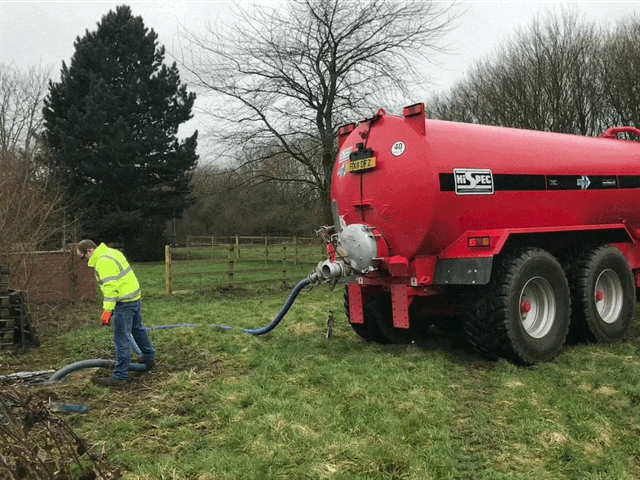
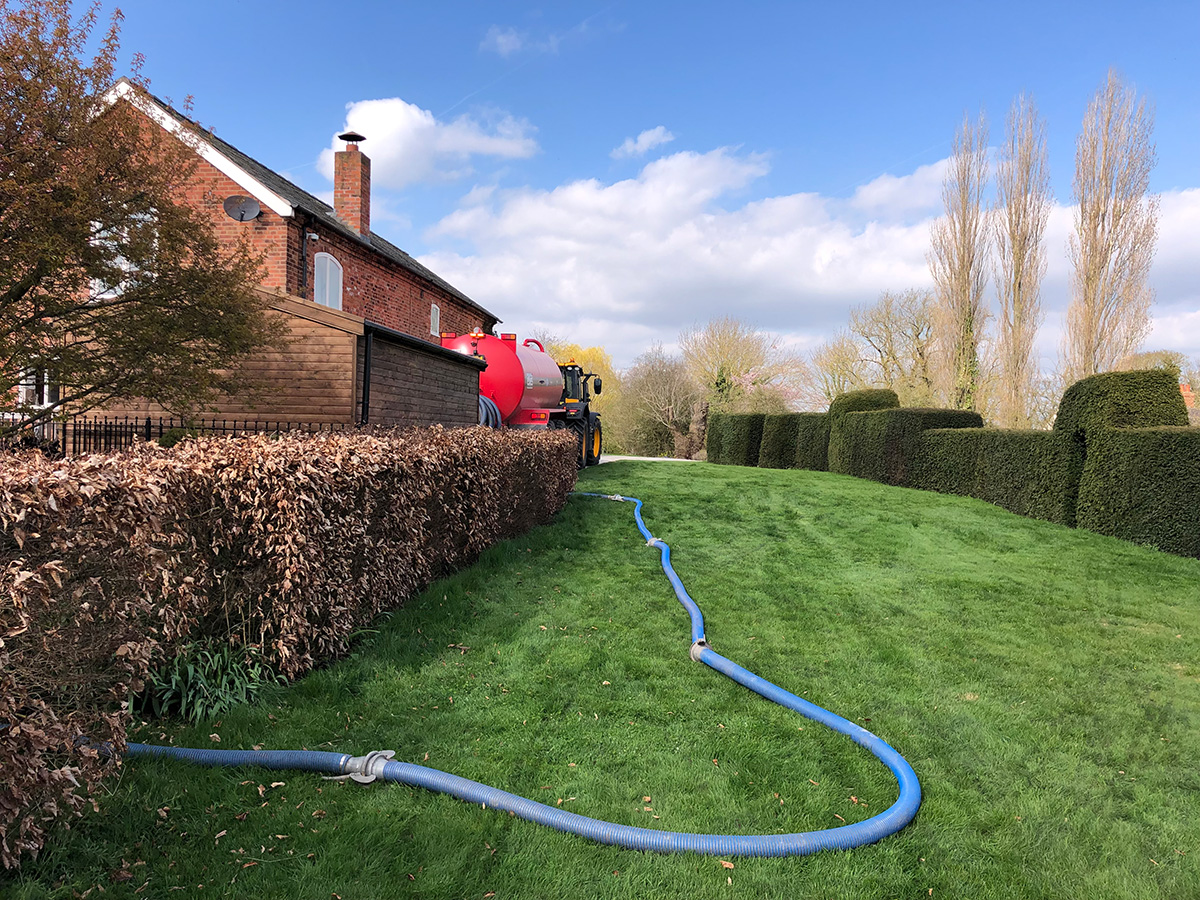
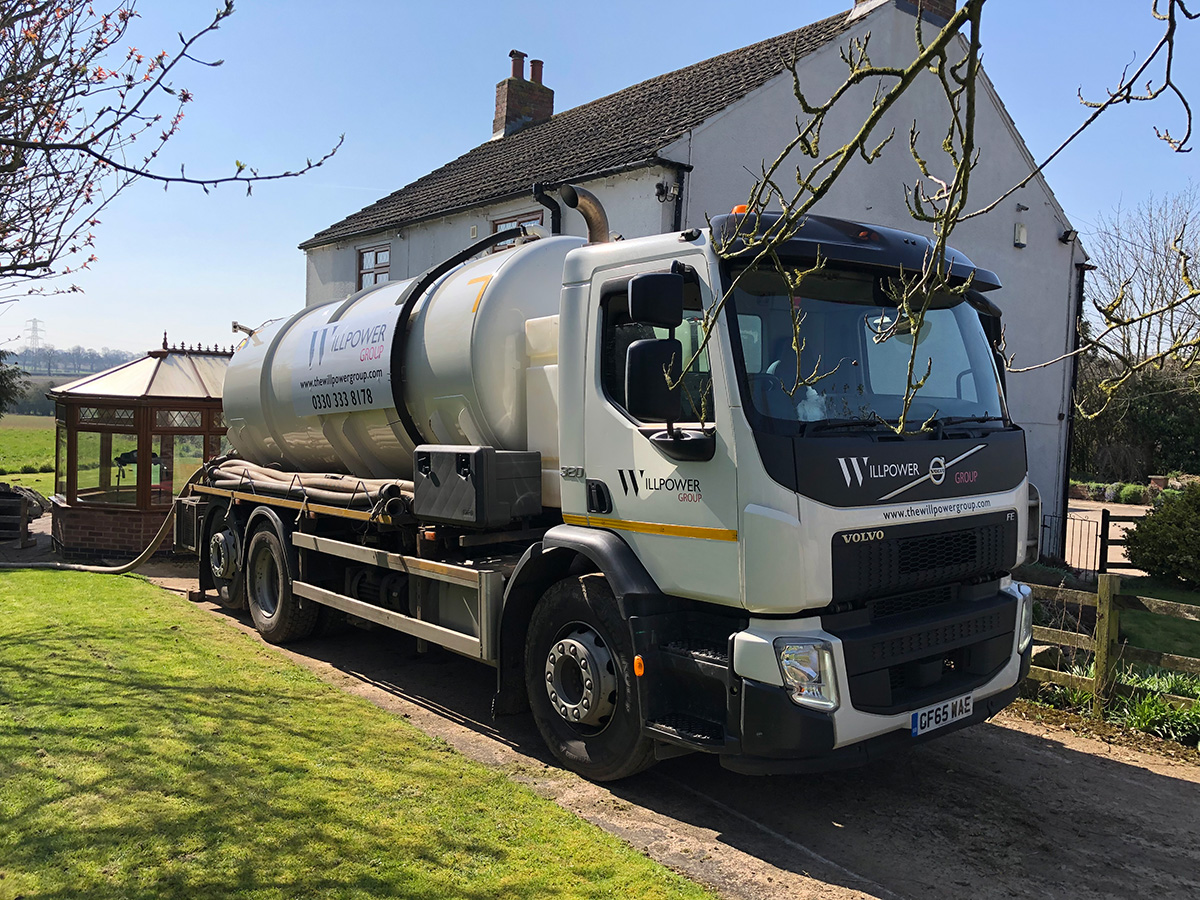
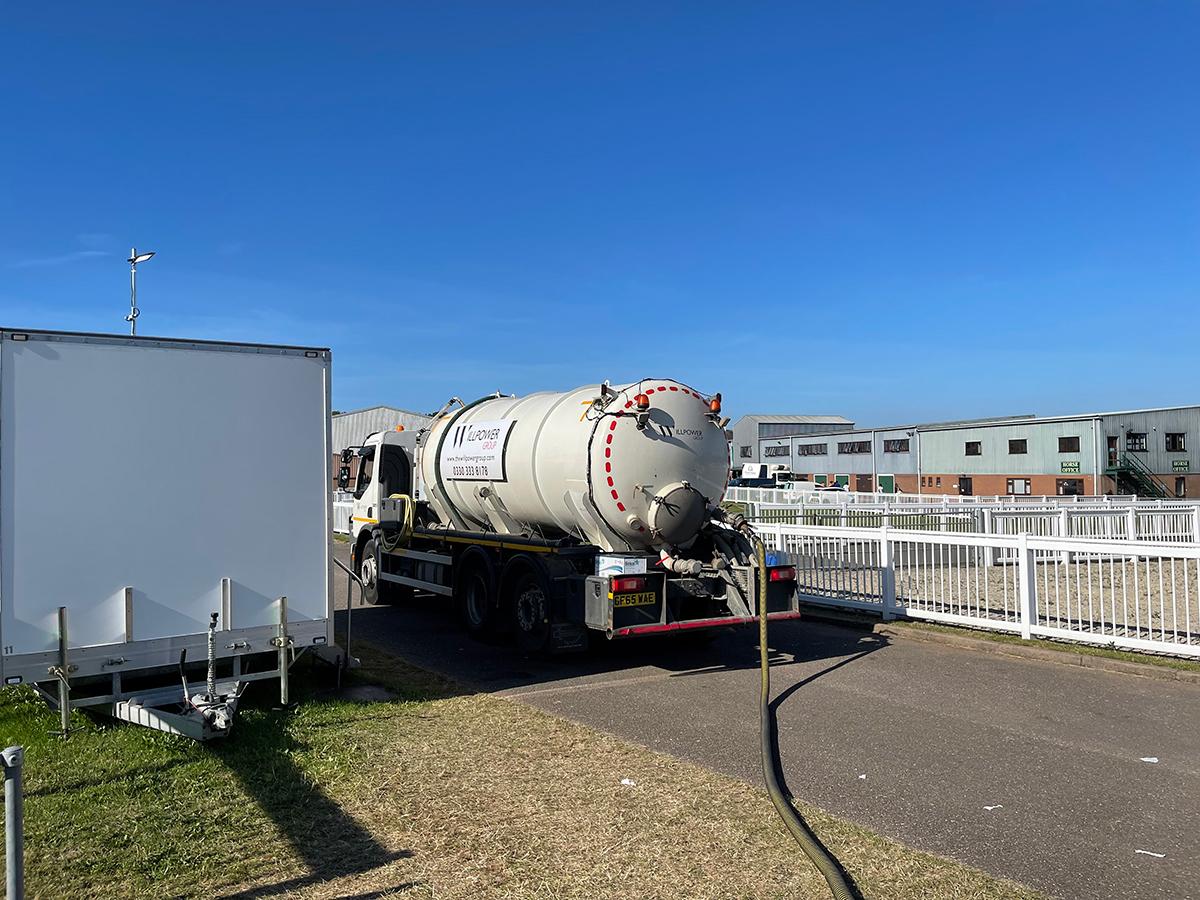
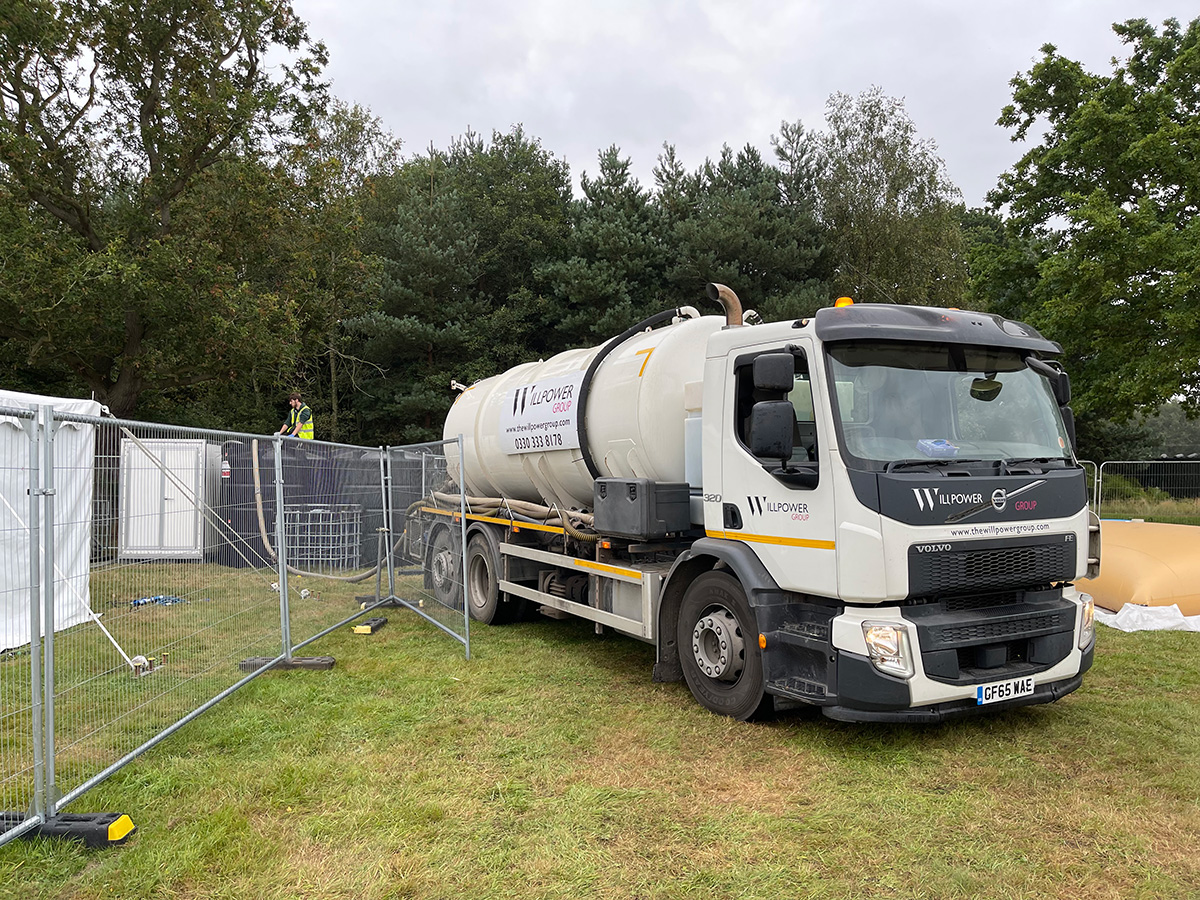
Our transport fleet is our pride and joy. In addition to the big tankers often needed for our commercial clients – we also have a range of small tankers that can be towed behind our 4x4 vehicles.
This means we can comfortably reach restricted access sites. And what’s more, travel over narrow roads, skinny bridges, and railway tracks with ease.
Many of our customers tell us that what sets us apart from some of our competitors, is that we do what we say we’ll do. But don’t take our word for it, please ask to speak to any one of our customers.
Whether you need our services as a one-off, or you’d like us to visit you regularly as part of a scheduled arrangement, you can rely on us to professionally empty your septic tank or cesspit and safely take away the contents.
As a registered waste carrier with the Environment Agency, you can trust us to dispose of your waste in the right way and provide you with the relevant waste transfer notes in line with regulatory requirements.
The waste we collect will be delivered to a local sewage treatment works, where it will be responsibly disposed of.
Over the years, we’ve established close relationships with local water companies, who take our wastewater from our tankers to treat and put back into the eco-system.
Click any image for larger view
Browse our frequently asked questions to find quick, clear information about our products, services, ordering, delivery, and more. If you can't find what you're looking for, our team is always happy to help.
More Question?A: Most domestic septic tanks in the UK should be emptied regularly to prevent sludge build-up and maintain efficient operation. The ideal frequency depends on the size of the tank, the number of people using the property, water consumption and the amount of solids entering the system. Many household septic tanks require emptying approximately once a year, but some properties may need more frequent servicing.
Common signs that your septic tank may need emptying include unpleasant smells near the tank or drainage area, slow-draining sinks and toilets, gurgling pipes, sewage backing up, overflowing inspection points or wet patches around the drainage field. If you notice any of these issues, arranging a professional septic tank inspection and emptying service can help prevent more serious problems.
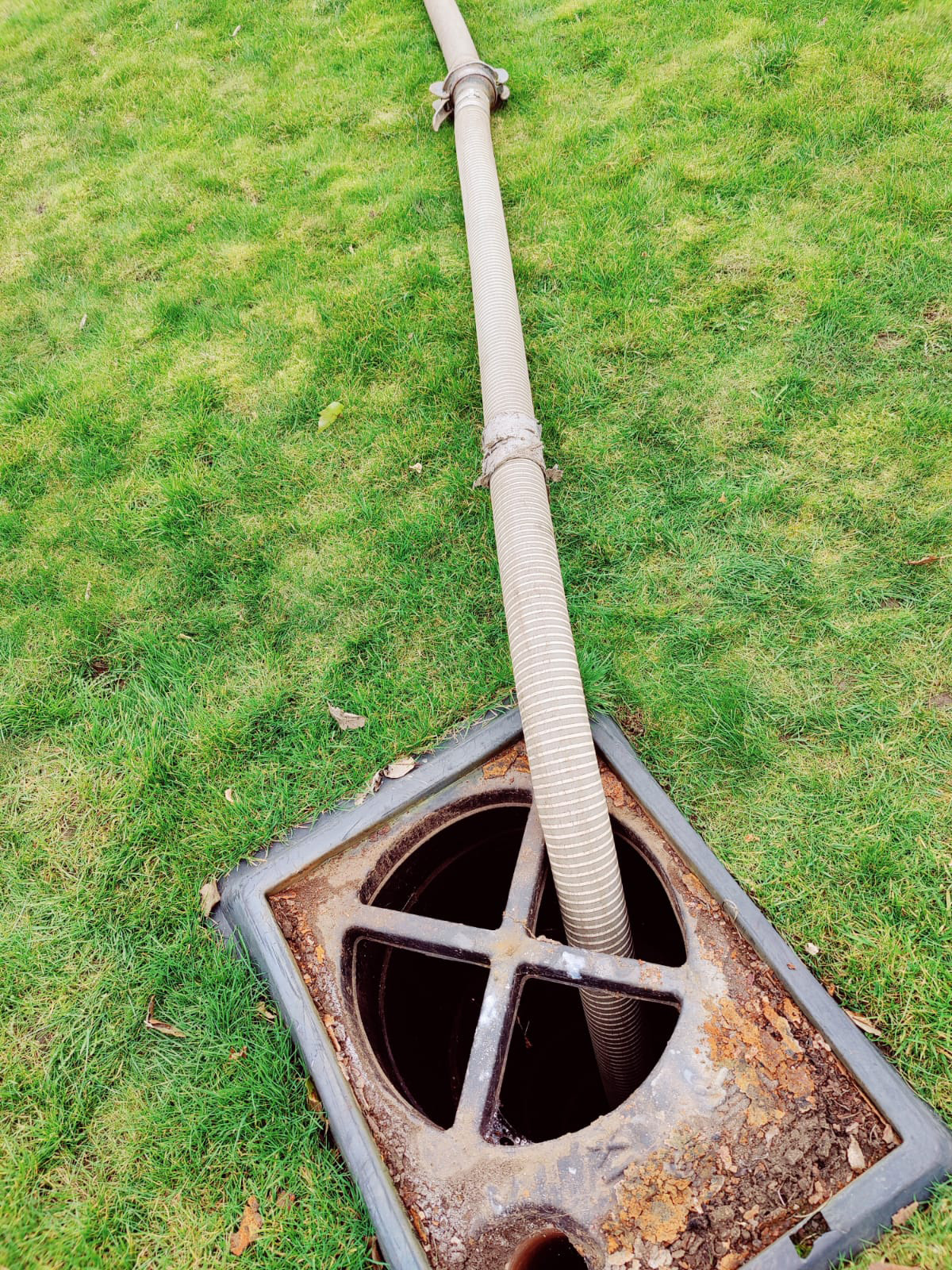
A: During a domestic septic tank emptying service, a specialist tanker connects a suction hose to the tank access point and removes accumulated sludge and wastewater. The waste is then transported for safe and legal disposal. The technician can also check the condition of the tank and advise if any further maintenance may be required.
A: The cost of septic tank emptying depends on several factors, including the size of the tank, the amount of waste removed, property access, location and whether the service is planned or an emergency call-out. The best way to get an accurate price is to provide details about your tank type, location and access requirements.
A: Most domestic septic tank emptying visits can be completed relatively quickly, although the exact time depends on the tank size, access for the tanker, how full the tank is and whether any additional checks or cleaning are required. A professional service provider can advise on expected timings when booking.
A: You do not always need to be present during septic tank emptying, provided the tanker can access the tank and any gates or access points are available. However, many homeowners choose to be present so they can show the location of the tank, discuss any concerns and receive maintenance advice.
A: Regular septic tank emptying helps prevent blockages, unpleasant odours, sewage backups and damage to the drainage system. Keeping your septic tank properly maintained can improve performance, extend the life of the system and help ensure your property continues to meet environmental and regulatory requirements.
A: No. Septic tank waste must be handled, transported and disposed of correctly by an authorised waste carrier. Professional septic tank emptying services have the specialist equipment and permissions required to safely remove and dispose of sewage waste
A: Yes. A soakaway or drainage field helps treat and disperse liquid effluent, but it does not remove the solid sludge that builds up inside the septic tank. Regular emptying is still required to prevent solids from affecting the performance of the system.
A: Bad smells, overflowing tanks and drainage problems can indicate that your septic tank needs emptying or may have another issue requiring attention. Arranging a professional assessment can identify the cause and help prevent further damage to your drainage system or property.